
Health Awareness

Blog at a Glance
The human scalp is a host to various microorganisms, including different types of fungi. Usually, when everything is under control, these organisms exist in balance. However, issues emerge when there is excessive growth of some fungi, such as Malassezia. This triggers scalp inflammation, scaling, and irritation.
Some of the common fungal scalp infections are: Seborrhoeic Dermatitis:
This is a severe form of fungal infection that involves scaling of the scalp, inflammation, redness and, in some cases, oily skin patches. The cause of this issue is the excessive growth of Malassezia. Dandruff: It can be described as a mild version of seborrhoeic dermatitis. Dandruff causes the formation of scales on the scalp, leading to yellowish-white flakes and itchiness. Tinea Versicolor: Also known as Pityriasis Versicolor, TV is a non-communicable skin disease that happens due to the overgrowth of Malassezia. People have observed its effect on the scalp, chest, and back, which changes the appearance of the affected skin. (Lighter or darker than the surrounding area) Tinea Capitis (Ringworm of the Scalp): When there is a fungal organism interference in scalp biology, it causes scaling and hair loss. This dermatophyte infection is commonly seen more in young children.
The underlying cause of these scalp problems points to fungal infection. The only effective solution to combat these fungal scalp infections is Ketoconazole. A proven antifungal treatment that targets the root cause and eliminates the symptoms.
Ketoconazole is an antifungal drug classified under imidazoles. It is a manufactured antifungal drug that is commercially available in different types of topical preparations such as cream, foam, gel, and shampoo. As stated on Stat Pearls (an initiative of the National Institutes of Health,ketoconazole functions through the inhibition of cytochrome P450 14α-demethylase enzyme, essential for ergosterol synthesis in fungi.
Structurally, ergosterol corresponds to cholesterol for fungi, as it keeps the membrane stable and fluid. Ketoconazole works by preventing ergosterol formation, leading to membrane instability and thus the inability to grow and survive. The absence of ergosterol results in increased fluidity of the membrane, preventing the growth of the fungus.It is the selectivity of this approach that makes ketoconazole so efficacious without causing damage to healthy cells. Why? Because human cells utilise cholesterol in their cell membranes instead of ergosterol.
US FDA approves Ketoconazole in tropical formulations for the treatment of dandruff, seborrhoeic dermatitis, and tinea versicolor. As per its spectrum of uses, ketoconazole cream can be effective in a broad range of fungal skin infections. Some of them are athlete’s foot, ringworm of the body and groin, cutaneous candidiasis, and pityriasis versicolor.
Speaking about its shampoo formulations, it comes in two strengths. The 1% shampoo controls dandruff, and a 2% prescription strength shampoo is used for problems like scalp tinea versicolor.
Foam and gel forms are effective for targeted seborrhoeic dermatitis treatment on the scalp and face.
Ketoconazole shampoo is more than a random hair cleansing product. The shampoo delivers the medicated active anti-fungal compound directly to the scalp. This action suppresses the fungal overgrowth and controls the dandruff production.
A shampoo with a ketoconazole component comes in different strengths. The 1% shampoo can be applied twice a week for three to four weeks. However, for a 2% formulation, the shampoo is lathered onto the affected scalp and left for 5 minutes for its action. This contact time allows the medicine to penetrate the skin and hinder the fungal proliferation.
Beyond shampoos, Ketoconazole lotion is another topical option that can be applied to a larger body area. For more enhanced antifungal treatment, the use of combination products of ketoconazole and zinc pyrithione lotion is quite recommended.
The component of zinc pyrithione acts as an antifungal and antibacterial. It interferes with the membrane transport and enzyme functioning in microorganisms. Together, their dual-action addresses excessive fungal growth. In comparison to one ingredient action, this combination is more enhanced in the treatment of conditions like dandruff and seborrhoeic dermatitis.
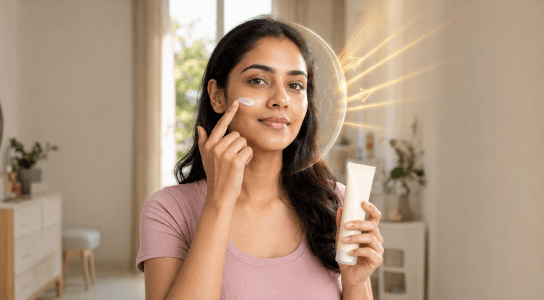
There are some “how to use” guidelines before using a medicated component like ketoconazole. Always patch-test the cream, gel, foam or shampoo before use. Gently rub the medicated cream on the affected and surrounding area.
Also, it is important to complete the full recommended course of treatment even if the symptoms are gone. Note that fungal infections take time to clear, and stopping the treatment midway can allow them to return.
Ketoconazole foams should never be sprayed directly onto the hand because it begins to melt in contact with the skin. Instead, it should be dispensed onto a cold surface first and then picked up with the fingertips to massage onto the affected skin or scalp area.
The most crucial point to remember is to use it externally and keep it away from the eyes, nose, and mouth. Do not forget to wash your hands immediately after applying.
Fungal infections are not so easy to tackle. They usually require a targeted solution like ketoconazole to combat the fungal symptoms. Ketomac by Torque Pharmaceuticals is a reliable and evidence-based solution for managing these issues, such as itching, flaking, and inflammation. In case the symptoms persist or worsen, consult a dermatologist as soon as possible.
Common Questions Answered